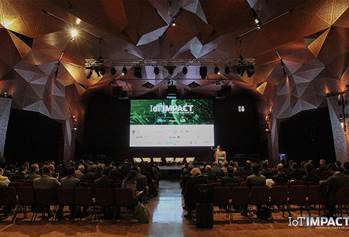


The ACTU has warned that employers risk more AI failures if they don’t involve workers in the system design.
"Workers must be able to contribute to AI system design in their workplaces, or employers risk more ill-conceived project failures borne from enforced change that risks significant reputational damage,” stated ACTU Assistant Secretary Joseph Mitchell, following an “AI summit” involving unions and Microsoft in Sydney yesterday
Attendees heard that “for AI to benefit workers and have a positive impact; workers must be involved right from the start, our expertise respected and skills developed along the way,” stated ACTU Assistant Secretary Joseph Mitchell.
“Global tech leaders, managers and developers heard directly that for AI to benefit workers and have a positive impact; workers must be involved right from the start, our expertise respected and skills developed along the way,” Mitchell stated.
“There have been too many botched AI implementation projects at Australian companies already, resulting in job displacement, theft of creative and media output, through to work intensification and ultimately de-humanising conditions in some workplaces.
“We want other large corporations to join us in working together to secure positive outcomes. Employers must consult meaningfully with workers and their unions and take a collaborative approach to developing the best possible training and skills support where that’s needed.”
Mitchell said yesterday’s summit was a “positive demonstration of engagement between Microsoft and unions”
The event followed a Memorandum of Understanding and Framework Agreement signed in January by unions, the ACTU and Microsoft. According to the ACTU, the agreement set “a new benchmark for workers’ rights in the tech sector”.
The summit was an opportunity for workers to “share their experiences and concerns with AI adoption”. It was attended by local Microsoft leaders, tech developers, the ACTU, peak union bodies in New South Wales and Victoria and individual unions from a range of sectors.
Last year, ahead of an economic reform roundtable, the ACTU said it would seek tougher regulations to guide the future roll-out of AI in workplaces.


.jpeg&h=142&w=230&c=1&s=1)
.jpg&h=142&w=230&c=1&s=1)