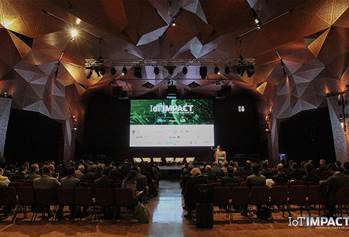


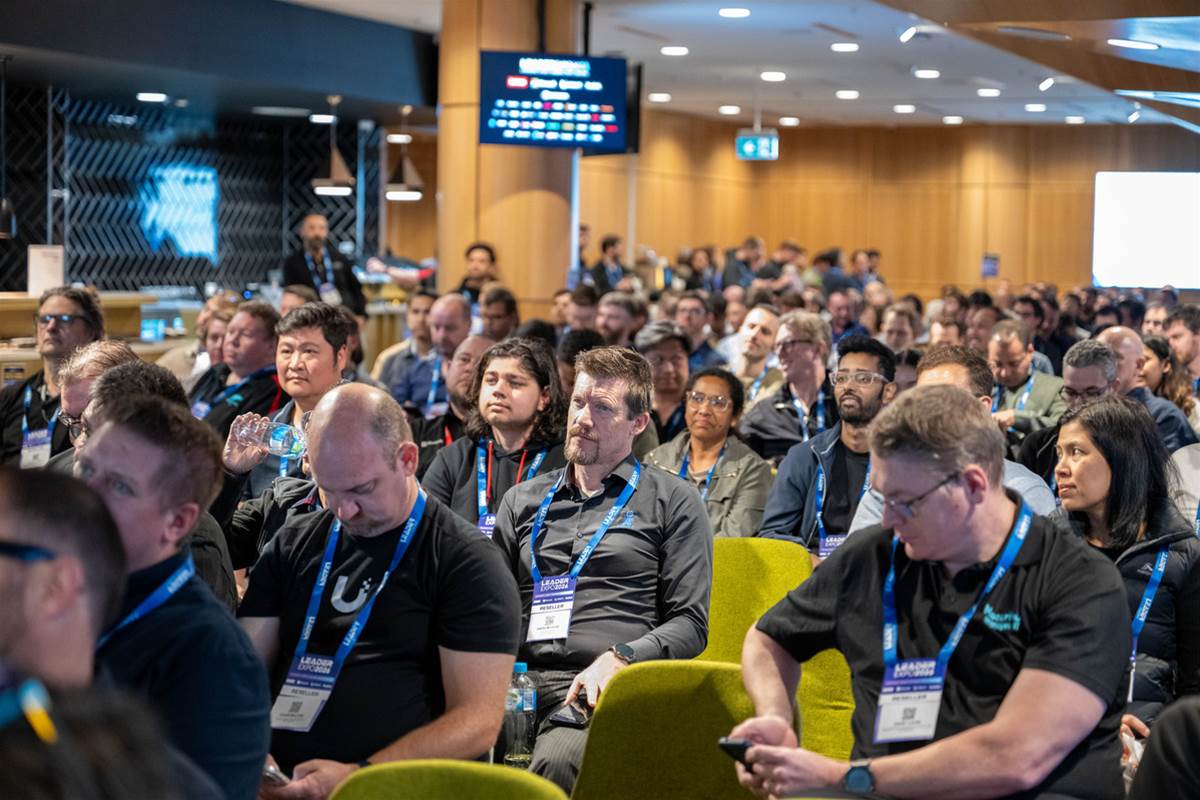
There are times when market forces converge so completely that hesitation becomes a genuine risk. Australian businesses are in one of those moments right now, and as the channel partners that came together for the recent Leader Expo 2026 in Sydney found, this is a critical opportunity.
Put plainly, Windows 10 end of support arrived last October, but eight months later, millions of Australian devices, in offices, classrooms and clinics, are running without security patches from Microsoft. "Most of these devices will walk into the channel for a refresh over the next 12 months," Symon Ten, Leader Business Manager – Infrastructure Solutions & Leader Brand, said. That alone would make for a decent sales pitch. But the case assembled across the afternoon went considerably further.
Three forces, Ten argued, are colliding simultaneously. The Windows 10 cliff is one. The arrival of the AI PC and the incompatibility of older devices with AI is another. And then there’s the most dramatic memory pricing spike in the history of the industry. "DRAM contract prices have increased 90 to 95 per cent in Q1, which is the steepest increase in the history of memory," he told the room. SSD prices are up 70 to 75 per cent in the same period and continue climbing. Across all OEMs, device prices have risen 15 to 20 per cent globally.
The culprit is not a supply chain disruption in the traditional sense but something more structural: hyperscalers, the Amazons and Googles of the world, are absorbing every available unit of high-density memory to feed their data centres. Additional capacity is not expected online until the end of 2026. "The market is actually creating that urgency for you right now," Ten said.
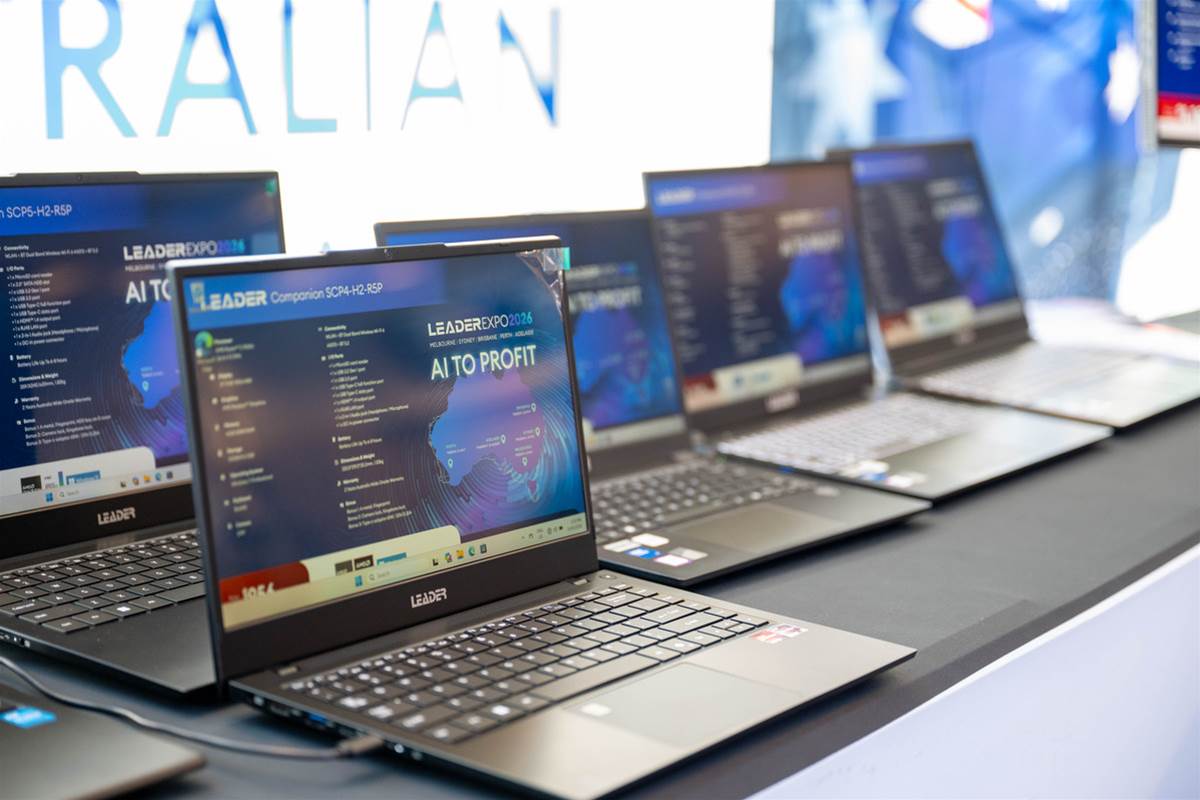
The AI PC, formally known as the Copilot+ PC, sits at the centre of this refresh story. The defining feature is the NPU, or Neural Processing Unit, a dedicated chip designed to run AI workloads locally on the device rather than routing requests to the cloud. Microsoft has set a benchmark of 40 TOPS, or trillion operations per second, for Copilot+ certification. For resellers, the commercial logic is straightforward: these devices carry a 15 to 25 per cent higher average selling price compared with conventional hardware, and each deployment opens a service attach window estimated at three to five times the value of the hardware deal itself.
Intel's country manager for Australia and New Zealand, Glen Boatwright, arrived with news to support that proposition. The company's new Core Ultra Series 3 processor, developed over five years and built on Intel's 18A fabrication process at 1.8 nanometres, represents what Boatwright described as the largest generational jump he has seen in 25 years at the company. Battery life reaches up to 27 hours on certain configurations. GPU performance is up 70 per cent generation on generation. CPU multi-threaded performance is up 60 per cent. AI capacity has doubled. Boatwright was particularly animated about the graphics story: "We tested CyberPunk (a video game notorious for being graphically intensive). I've seen it with my own eyes running at 60 frames a second on ultra settings on a device that's sub one kilo." He used it as an illustration of how seriously the new silicon takes the GPU, given that most AI algorithms today are processed through the GPU rather than the NPU.
The efficiency of the new chip has also prompted PC manufacturers to fundamentally rethink product design. Thinner and lighter form factors, dual-screen configurations and dramatically extended battery lives are all entering the market on the back of what Boatwright called "the enabling rethink" of what a thin and light device can be. More than 200 designs based on the new platform are expected to reach market before year end.
Away from the hardware, the event surfaced a quieter but pressing problem inside enterprise meeting rooms. Nicolas Fraenkel, product manager for Unified Communications at Leader's Yealink division, made the case that most corporate meeting rooms remain unprepared to deliver on the Microsoft Copilot features customers are already paying for. "If you get garbage in, you're going to get garbage out," he said.
A single USB camera and a basic speakerphone cannot unlock intelligent speaker identification, clean AI transcription or the facilitator agent features that Microsoft has been rolling out. "Every single room with a Copilot licence is a hardware refresh deal waiting to happen," Fraenkel said. The channel has a significant opportunity here to assist companies make the most of their AI and collaboration investments.
On the connectivity side, the Leader Connect telecommunications offering rounded out the picture with VoIP, SIP trunking and NBN services, including Operator Connect integration with Microsoft Teams, all managed through a channel-exclusive model with commission structures running from 15 per cent to 30 per cent on monthly recurring revenue.
What the event made clear, taken as a whole, is that while there is uncertainty and extreme supply chain challenges in the market, the Australian technology channel is being handed a set of commercial conditions that rarely arrive together. Compliance pressure, pricing urgency and a genuinely transformative hardware generation are all in the room at once. The partners who move quickly stand to capture not just a hardware transaction but a services relationship that extends well beyond the initial sale.

.jpg&h=142&w=230&c=1&s=1)

.jpg&h=142&w=230&c=1&s=1)
.jpg&h=142&w=230&c=1&s=1)
.jpg&h=142&w=230&c=1&s=1)