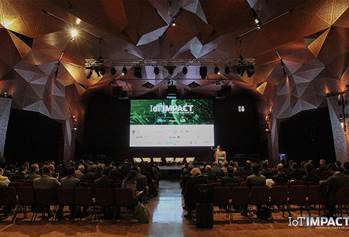

Kris Manché will be taking the stage at Index Brisbane on 18 June as part of the MSP Differentiation panel. As one of Australia’s leading experts in the world of ERPs, he has led more than 400 implementations and 70 high-stakes recovery projects, giving him direct insight into where ERP projects succeed, where they stall and where traditional delivery models create unnecessary risk for both clients and partners.
His message to MSPs is simple. Business Central should not require partners to build a full consulting business before they can enter the market.
Instead, DIY-ERP gives MSPs a more structured way to sell and deliver Business Central by reducing consultant dependency, improving client ownership and creating a clearer implementation pathway.
From Technical Builder to Strategic Mentor
One of the key ideas Kris advocates for is the Internal Super User model.
In a traditional implementation, clients often become dependent on external consultants to explain, configure and manage their own business system. That dependency can slow decisions, increase cost and damage trust when the system does not perform the way the client expected.
The Internal Super User model changes that dynamic. It helps clients build internal capability while the partner moves into the role of mentor and guide. Instead of doing everything for the client, the partner supports a structured process that helps the client understand and own their system logic. For MSPs, that shift matters. It creates a stronger advisory relationship and reduces delivery pressure.
A 10-Day Recovery That Shows the Model in Practice
The strength of the DIY-ERP model becomes clearer in recovery projects, where traditional
implementations have already stalled.
One state-wide contract cleaning services group had spent eight months working through a traditional implementation before losing confidence in the system. The result was a heavily customised environment that felt difficult to use and hard to trust.
Using the DIY-ERP toolkit, the project was moved back toward standard Business Central functionality. Custom extensions were replaced with standard processes, and the client cut over to production in 10 business days.
For MSPs, the point is not just that the recovery was fast. It shows what becomes possible when
implementation logic is repeatable, structured and not dependent on a large consulting team.
A codified model gives partners more control over scope, process and delivery. It also gives clients more confidence that the system they are adopting can be understood, managed and trusted internally.
Commercial Leverage for MSPs
The commercial appeal is the lower-risk entry point.
DIY-ERP gives partners a way to begin testing Business Central opportunities without taking on large upfront costs or immediately hiring a specialist ERP team. Partners can use field-tested sales toolkits, mentor-on-demand support and a defined implementation pathway to secure their first wins.
The model also helps address the issues that typically hurt ERP profitability. Fixed-scope delivery gives partners clearer pricing and timelines. A codified process increases implementation capacity. Client-owned system knowledge improves stickiness and creates more opportunities to expand the Microsoft stack.
MSPs do not need to choose between avoiding ERP or building a traditional consulting practice from scratch.
With the right model, Business Central can become a scalable service line that supports stronger revenue, deeper client relationships and more predictable delivery.
Kris Manché will be at Index Brisbane on 18 June. For those unable to attend, the full partner framework and event details are available at diy-erp.com/msp.