The deal will see the distributor taking over the manufacture and distribution of Scala’s leather accessories for telco products – only.
Stephen Harrison, managing director at Cellnet told CRN the deal is based on a royalty program, whereby the distributor will pay a small royalty to the leather goods specialist for every product sold in Australia.
“That is just one part of it,” he said.
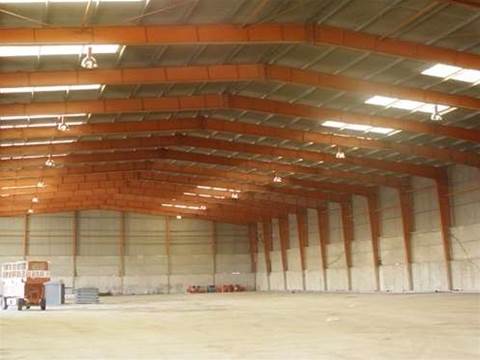
“The real exciting part is we get Scala’s warehouse in China, as part of the deal.”
According to Harrison, it plans to utilise the warehouse as the distributor’s primary overseas manufacturing and distribution hub.
“The warehouse has already been set up so we don’t need to start from scratch,” said Harrison.
“It’s the first step to consolidating operations off-shore in a bid to reduce production and freight costs. In China labour costs and the costs per square metre for a warehouse is a lot cheaper than Australia.”
The deal allows the distributor to 'refresh’ itself of all things telco at Cellnet, claimed Harrison.
"We really want to invest back into the business and the mobile phone market,” he said.
“The licence which we applied for in China, gives a foothold into the country’s telco distribution market,” he said.
“The telco market in China is very open and has a lot of opportunities.”
Cellnet’s Scala deal opens door to China
Got a news tip for our journalists? Share it with us anonymously here.

Add techpartner.news as your trusted source

Partner Content

Now is the time for the channel to push the hardware refresh

Promoted Content
Jabra launches PanaCast U30 video bar for easier BYOD meetings

Promoted Content
Kris Manché, Panel Expert at Index Brisbane
.jpg&h=142&w=230&c=1&s=1)
Building higher tier service offerings with cost-effective, proactive monitoring

Cisco’s AI Rally Kit delivers high performance AI without the engineering pain


.jpg&w=100&c=1&s=0)

.jpg&w=100&c=1&s=0)