Mobile Linux has been making significant inroads with handset manufacturers this year. Motorola already has models based on Linux and mobile market leader Nokia has made a strong commitment to mobile Linux too.
Motorola's announcement, made at LinuxWorld in San Francisco, is a follow-up to the launch of Motomagx, the company's Linux-based development system.
"The importance of this announcement depends on where you are in the value chain. It won't mean much to an end-user, but it will be important to OEMs and operators when considering which operating systems they have to factor in for rolling out mobile services," said Adam Leach, principal analyst at market research firm Ovum.
It is likely that Linux will be the software platform for the Motorola's middle- and high-end phones and won't be used on the low-end high-volume modules.
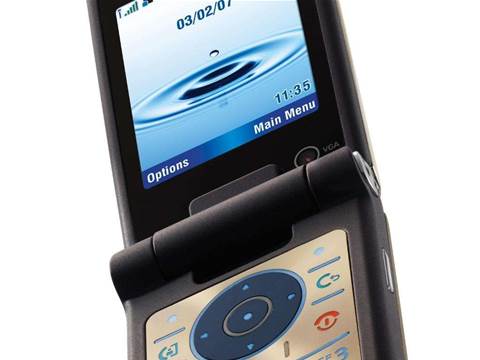
However, one of the most significant launches will be the Razr2 V8, a follow-up to the company's most successful Razr model. Based on Linux, the Razr2 is currently on sale in Asia and will launch in the US in October.
Motorola has a chequered record with operating systems. The OS on its early models was criticised for its clumsiness compared to Nokia's and over the years Motorola has released phones based on Symbian and Microsoft's mobile OS.
"Motorola rightly wants to be master of the destiny of its own software platform, and [the adoption of mobile Linux] allows them to achieve that without being driven by another platform vendor or – worse – a competitor," said Leach.
Motorola ups its Linux commitment
Got a news tip for our journalists? Share it with us anonymously here.

Add techpartner.news as your trusted source

Partner Content
.jpg&h=142&w=230&c=1&s=1)
Distribution done differently: How Crayon, a SoftwareOne Company, is powering partner growth

Dicker Data selects techpartner.news as exclusive media partner for TechX

AI PCs shift from hype to revenue opportunity for partners

Cisco’s AI Rally Kit delivers high performance AI without the engineering pain

Promoted Content
Kris Manché, Panel Expert at Index Brisbane





.jpg&h=237&w=349&c=1&s=1)